
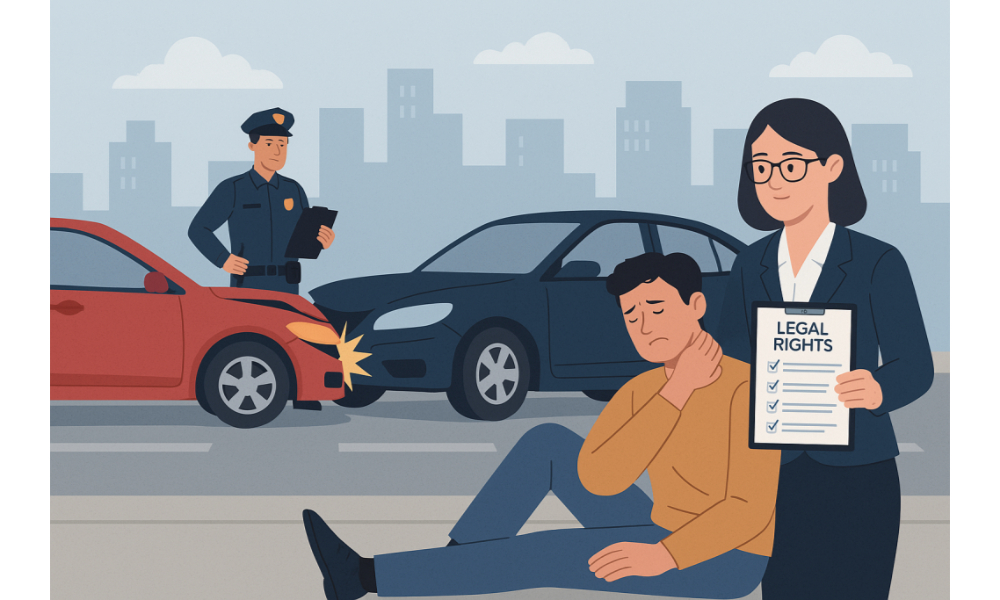

After a fatal collision, insurance adjusters draft internal notes, prosecutors prepare reports, and lawyers identify evidence. This rarely occurs in families who have lost someone. There are three legal systems for fatal accidents: criminal, civil, and insurance. The families’ immediate needs are not considered by any of them. Establishing who is liable in a fatal car crash is not a question that waits for a convenient moment. It is the first question that shapes everything the family’s attorney will need to build.
Wrongful death claims
Negligence that kills someone creates civil liability, and surviving family members have a legal mechanism to pursue it. What happens when someone dies in a car accident within civil court is that eligible relatives file a wrongful death claim against the party whose conduct caused the death. Spouses, children, and parents of the deceased have legal standing in most states. Each state defines standing differently. Recoverable damages include funeral expenses, the income stream the deceased would have continued generating. They also include the companionship that surviving family members have permanently lost, and the emotional suffering that follows. Criminal court outcomes carry no weight here. Civil cases move independently, under a lower burden of proof, on their own schedule.
Criminal charges pursued
Driver conduct determines what charges prosecutors file. Manslaughter occurs when recklessness causes fatalities. Every state imposes aggravated charges on drunk drivers who kill someone. The second degree of murder is committed by extreme or deliberate conduct in some states. Prosecutors decide what charges to file. Prosecutors decide what plea agreements to accept. The family has no direct input into either decision. Their civil wrongful death case, however, is entirely within their control. It proceeds regardless of whether the criminal matter ends in conviction, plea, or dismissal.
Insurance claim process
There are many ways to get coverage, but at-fault drivers’ liability coverage is the easiest way to get it. Attorneys investigate every available source before settlement discussions:
- Underinsured motorist coverage – Coverage that applies when the at-fault driver’s limits are insufficient to cover a claim filed by the deceased.
- Third-party liability – Responsible parties include commercial drivers’ employers, automakers, and government agencies.
- Umbrella policies – Umbrella policies provide additional compensation beyond standard policies.
Locating every available coverage source at the start of the case directly shapes what the family realistically recover.
Statute of limitations
Filing deadlines for wrongful death claims are set by state law. One year in some states. Two or three in others. The deadline is not negotiable. An estate still in probate does not extend it. Financial hardship does not stop it. The date arrives, the window closes, and no court will hear the claim regardless of its merit. Physical evidence does not wait either. Footage from nearby businesses gets overwritten on a regular basis. Witnesses move. Vehicle data becomes less accessible over time. Early involvement may make a family aware of their lawyer’s deadlines. A fatal accident claim crosses the criminal and insurance systems. Legal representation secured promptly gives families the strongest position to navigate everything that follows.
