
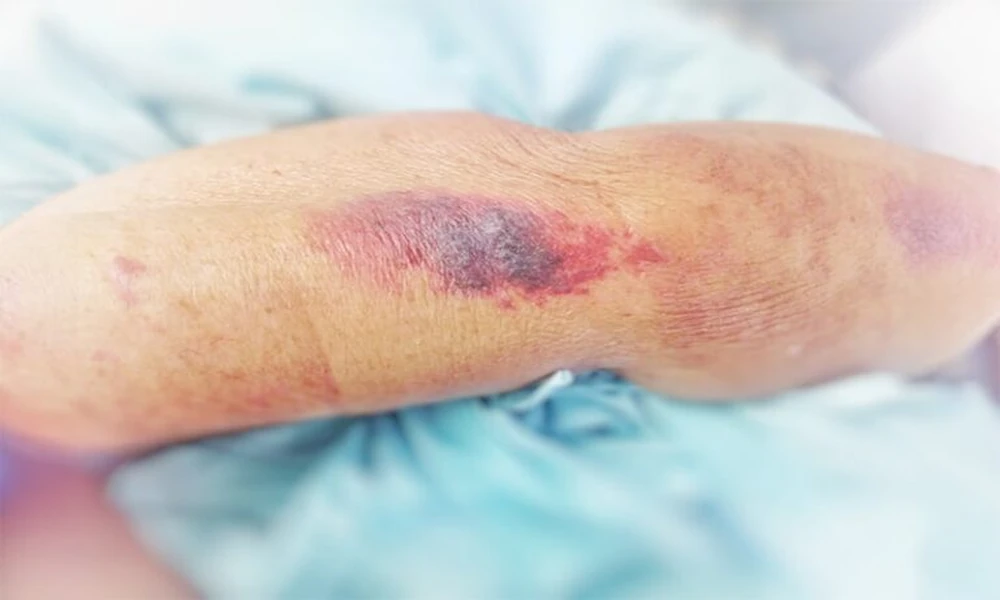

Bedridden individuals frequently experience skin breakdown due to prolonged immobility within residential care facilities. Negligent supervision accelerates tissue degradation, leading to profound systemic infections among elderly residents. Families must identify structural safety lapses early to prevent long-term health decline. Reviewing institutional compliance records helps separate acceptable care from dangerous nursing center patterns. Legal portals such as www.michlesbooth.com offer vital guidance for households navigating institutional neglect. Comprehensive oversight remains paramount for securing complete accountability regarding patient mistreatment.
Institutional Negligence Causes Profound Patient Harm
Inadequate shifting protocols leave residents immobile for extended durations during typical care shifts. Facility administrators often reduce staffing ratios to maximize corporate financial savings.
- Specialized pressure-relieving mattresses are omitted during initial admissions.
- Regular turning schedules are ignored by overworked facility personnel.
- Hydration monitoring logs are fabricated to conceal severe neglect.
- Moisture management protocols are completely disregarded by nursing assistants. Inadequate supervision directly correlates with increased physical trauma among residents.
Identifying Clear Indicators of Nursing Misconduct
Recognizing early warning signs prevents minor skin problems from becoming life-threatening conditions. Attentive family observations often uncover systemic facility failures before management acknowledges issues.
- Unexplained weight loss indicates severe nutritional deprivation among vulnerable residents.
- Poor room hygiene suggests broader environmental maintenance failures across facilities.
- Frequent skin discoloration signals initial tissue damage from prolonged pressure.
- Delayed call bell responses prove inadequate nursing floor presence routinely.
- Restricted mobility options accelerate joint stiffness alongside dermal degradation patterns.
- Missing turning logs demonstrate a complete absence of regulatory charting compliance.
- Unwashed bed linens promote rapid bacterial growth within open wounds.
- Defensive staff communication indicates active concealment of care delivery failures.
Regulatory Guidelines Enforce Proper Care Standards
State laws mandate specific turning intervals for completely no ambulatory nursing facility residents. Failing to meet these baseline statutory benchmarks establishes clear legal liability for ownership groups. Civil litigation forces corporate entities to update their internal safety training programs.
Seeking Accountability through Formal Legal Actions
Filing official civil complaints holds negligent facility owners fully responsible for corporate shortcomings. Information compiled at Nursing Home Abuse Attorney Pensacola highlights how structural negligence impacts vulnerable populations daily. Pursuing litigation secures the necessary financial recovery to fund superior alternative housing arrangements. Legal pressure remains an effective method for correcting widespread institutional safety violations.
Frequently Asked Questions
- What defines institutional skin neglect? Neglect involves failing to alter patient positions, resulting in tissue degradation.
- How can families protect bedridden relatives? Regular unscheduled visits combined with independent physical checks maximize safety.
- When should legal counsel be retained? Consult advocates immediately when advanced wounds show signs of facility concealment.
Securing Justice for Neglected Residents
Restoring personal dignity demands aggressive intervention against negligent corporate facility ownership groups. Families must take decisive action to halt ongoing institutional safety violations permanently. Professional oversight dismantles corporate defense tactics to ensure total accountability for systemic oversight failures. Proper compensation provides families the means to obtain high-quality, continuous medical attention. True resolution arrives when care centers prioritize human welfare over operational profit margins.
